How Westminster Council Rules Affect Public Flower Displays
Posted on 05/10/2026
Public flower displays look simple from the pavement. A planter on a corner, a hanging basket outside a cafe, a seasonal floral installation in front of a shop, and suddenly a street feels brighter. But if you are planning something in Westminster, the story is a little more complicated. How Westminster Council Rules Affect Public Flower Displays comes down to space, safety, maintenance, permissions, and what the council will consider acceptable in a busy central London environment.
That matters whether you are a business owner trying to lift your frontage, a property manager thinking about kerb appeal, or a florist asked to design something public-facing. Westminster is not the kind of place where you can just put something pretty out and hope for the best. Truth be told, that would be asking for trouble. This guide explains the practical reality in plain English, so you can plan attractive displays that respect local rules, reduce risk, and are far more likely to last.
We will cover how the rules usually work, why they matter, the common traps people miss, and how to approach a display in a way that feels both creative and compliant. And yes, there is a difference between a small decorative planter and a larger public installation. A big one.
- Why Westminster Council rules matter
- How the rules typically work in practice
- Key benefits and practical advantages
- Who needs this and when it makes sense
- Step-by-step guidance
- Expert tips for better results
- Common mistakes to avoid
- Tools, resources and recommendations
- Law, compliance, standards and best practice
- Options and comparison
- Case study or real-world example
- Practical checklist
- Frequently asked questions
Why How Westminster Council Rules Affect Public Flower Displays Matters
Westminster is one of the busiest, most visible parts of London. Footfall is high, pavements are shared by pedestrians, delivery drivers, cyclists, wheelchair users, shoppers, office workers, and visitors who may be looking the wrong way while admiring a display. That means anything placed in a public-facing position has to do more than look good. It has to fit the street.
The council's rules matter because public flower displays are not just decorations. They can touch several different concerns at once: obstruction, safety, accessibility, neighbour relations, waste, maintenance, and even visual consistency in conservation or high-profile streets. One planter in the wrong spot can narrow a pavement. One dripping basket can create a slip risk. One display that is left to fade can make an entrance look worse than if it had never been there. A lovely idea, badly managed, can become a nuisance very quickly.
For local businesses, the upside is obvious. A well-placed floral display can soften hard city architecture, draw attention to a shopfront, and create a more welcoming feel. But Westminster is not an informal setting. A display that works in a quieter borough may need more careful thought here. The rules are there partly because the streets are simply more intensively used.
That is why people searching this topic are usually asking a practical question underneath the surface: Can I put flowers outside, and what do I need to do first? The honest answer is that it depends on location, scale, and whether the display sits on public land or private land visible from the street. Small details matter. A lot.
One florist I spoke to described it well: the same bouquet arrangement that looks effortless in a window can become a planning conversation the moment it moves closer to the pavement. That is Westminster in a nutshell.
How How Westminster Council Rules Affect Public Flower Displays Works
The exact process depends on the type of display, where it sits, and whether it affects the public highway. In general, Westminster Council will be interested in whether the display is safe, lawful, and manageable over time. If the arrangement is on private property, the rules may be lighter. If it reaches into shared public space, things get stricter fast.
1. Location is the first issue
The key question is where the flowers are placed. A display inside a shop window is very different from hanging baskets attached to a building, a pavement planter, or a seasonal installation on the edge of a forecourt. The closer it is to public movement, the more likely it is to be reviewed for obstruction and hazard.
2. Size and placement change the level of attention
Small, tidy, fixed displays may be easier to justify than large installations with wide bases, trailing stems, or tall structures. The council is likely to think about sightlines, walking width, emergency access, and whether someone using a pushchair or mobility aid would be forced to step around it awkwardly.
3. Maintenance matters as much as design
Public flower displays are not judged only on the day they are installed. Wilted flowers, overspill from watering, damaged containers, and loose debris can all create problems later. A display that looks polished at 9am can become a bit sad by Friday afternoon if no one is actually looking after it. That is not the council's favourite outcome, let's put it that way.
4. Permissions may be needed
Depending on the situation, you may need permission to place items on or over the public highway, to attach anything to a building, or to install structures in a controlled area. Some displays may be fine as a matter of common practice if they remain within private land, but if they protrude into public space, formal approval or coordination with the council may be needed.
5. The council may consider context
Westminster contains busy retail streets, ceremonial routes, conservation areas, and residential pockets. What is acceptable in one street can be entirely inappropriate in another. A neat row of low planters outside a cafe might be perfectly reasonable in one location, while a similar setup outside a narrow passageway would be a poor idea.
If your display is intended for a recurring event, a seasonal promotion, or a long-term frontage feature, think beyond the first week. Ask yourself how it will look after rain, wind, pruning, and the usual London wear and tear. A display that survives the weather and the footfall is the one that earns respect.
Key Benefits and Practical Advantages
Done well, public flower displays can do more than decorate a street. They can improve the atmosphere of a place in ways people feel immediately, even if they cannot always explain why. Fresh flowers soften hard edges, add colour to grey pavements, and can make a business feel cared for before a customer even steps inside.
Here are the real-world benefits, beyond the obvious visual appeal:
- Better curb appeal: Floral displays can make entrances, shopfronts, and hospitality spaces look more welcoming.
- Stronger brand presentation: A carefully chosen display can support a seasonal campaign, luxury positioning, or a warm neighbourhood feel.
- Improved footpath harmony: When designed correctly, flowers can beautify without creating clutter.
- More reliable compliance: Working within the rules lowers the risk of complaints, removals, or awkward enforcement conversations.
- Longer display life: Displays that are planned for weather, maintenance, and access tend to last longer and perform better.
- Better public response: People are generally more forgiving of something attractive and tidy than something sprawling and neglected.
There is also a quieter benefit: good compliance often improves design quality. That may sound odd, but it is true. When you have to think about access, placement, watering, and visibility, you end up designing more intelligently. Less guesswork. More intention.
Expert summary: In Westminster, the strongest public flower displays are not necessarily the biggest or fanciest. They are the ones that balance beauty, access, and maintenance without relying on luck.
Who This Is For and When It Makes Sense
This topic is relevant to more people than you might think. It is not just for florists. If your work touches a public-facing space, Westminster Council rules may affect you.
Business owners and shopfront managers
If you run a cafe, boutique, salon, hotel, gallery, restaurant, or office with a visible frontage, you may be considering flowers to attract attention and create a polished look. In that case, rules about outward projection, maintenance, and public safety may apply.
Florists and event planners
Florists are often asked to deliver the idea, but not always given the full site context. A florist arranging display flowers near a pavement edge needs to know whether the installation is temporary, structural, attached, freestanding, or simply placed in pots. Wedding season, launches, and seasonal activations all add pressure. Westminster can be lively, and so can the deadlines.
Property managers and landlords
If you manage a building with commercial tenants, public displays can affect the whole site. A shared frontage is one thing; a street-facing floral scheme on a narrow pavement is another. You may need to think about liability, tenant coordination, and who maintains the display when the original person forgets to water it. Happens more often than people admit.
Hospitality venues
Hotels and restaurants often use flowers to signal quality and care. That can work beautifully in Westminster, but only if the display does not get in the way of entrances, queues, or service access.
Community groups and organisers
Street festivals, memorial installations, seasonal trails, and local initiatives can all involve public flowers. These are often the most collaborative projects, but they also tend to have the most moving parts. Multiple stakeholders, mixed expectations, not much spare time.
If you are unsure whether your display counts as public, a useful rule of thumb is this: if passers-by interact with it, walk around it, or might be affected if it fails or moves, you should treat it as a regulated public-facing feature rather than a simple decoration.
Step-by-Step Guidance
If you want to plan a display without stumbling into avoidable issues, take it one step at a time. The process is less glamorous than the flowers, admittedly, but it saves hassle later.
- Define the display purpose. Is it for branding, a special event, a seasonal refresh, remembrance, or everyday frontage enhancement? The purpose will shape the size, style, and placement.
- Identify the exact location. Measure where the flowers will sit, how far they project, and whether they are on private land, attached to a facade, or near the public highway.
- Check access and footfall. Look at rush hours, delivery times, and peak pedestrian movement. What seems fine at midday may be awkward at 5:30pm.
- Consider sightlines and safety. Make sure nothing blocks doors, signs, ramps, crossings, or the view between drivers and pedestrians.
- Assess maintenance needs. Watering, pruning, deadheading, cleaning, replacement, and weather protection all need a named owner.
- Review attachment or support methods. Wall-mounted baskets, rail planters, or suspended elements may need more scrutiny than freestanding containers.
- Check whether permission or consultation is needed. If the display touches public space, assume extra checks may be required and plan early.
- Choose robust planting. In a city setting, durable flowers often outperform delicate but high-maintenance options.
- Set a review date. A display should not be "installed and forgotten". Build in a date to assess condition, stability, and public response.
- Keep records. Photos, measurements, maintenance notes, and any approvals can be helpful if questions come up later.
A practical example: a small flower bar outside a retail unit might work perfectly if it sits against the wall and leaves a clear route past the entrance. The same bar shifted just a little too far outward could become a nuisance on a busy street. That tiny difference is often the whole game.
Expert Tips for Better Results
In our experience, the best public flower displays in Westminster are the ones that feel calm, controlled, and clearly intentional. They do not shout. They sit well in the space.
Keep the display lower than you think
Lower arrangements are usually easier to manage and less likely to interrupt sightlines. They can still be lush and elegant. Height is not the only way to create impact, whatever some overly ambitious mood boards would suggest.
Choose varieties that cope with city conditions
Flowers exposed to wind, exhaust, heat reflected from paving, and occasional rough handling need to be resilient. Mixed foliage, dense planting, and repeat-flowering species often hold up better than ultra-delicate compositions.
Design for the worst day, not the best day
Think about rain, a Monday morning bin collection, or a Saturday when the street is crowded and everyone is rushing. If it still looks acceptable then, you have done well.
Use containers that are stable and easy to clean
Lightweight pots can tip. Overly ornate containers can look good but be awkward to maintain. There is a sweet spot: substantial enough to stay put, simple enough to clean, sturdy enough to survive a scuff or two.
Make maintenance part of the design brief
Do not treat watering as a separate afterthought. If your display is awkward to water, it will become awkward to maintain. And then the whole thing starts slipping.
Plan for seasonal variation
Winter streets, summer heat, and shoulder-season rain all need different plant choices. A display that looks right in May may not look right in November.
Be respectful of neighbouring businesses
That matters more than people think. A floral display that blocks another premises, sheds petals into the wrong doorway, or creates a visual mess can quickly sour relations. A little courtesy goes a long way.
One small human detail: people remember displays that feel cared for. You can tell, just by looking, whether someone has been back to tidy the edge, replace the tired stems, or wipe down the container after a wet week. That quiet discipline is what separates "nice idea" from "professional result".
Common Mistakes to Avoid
Most problems with public flower displays do not come from the flowers themselves. They come from assumptions. Usually, the sort made in a hurry.
- Assuming decorative means exempt: A flower display can still be subject to rules if it affects public space.
- Ignoring pavement width: Even a pretty planter can become a barrier on a narrow street.
- Forgetting maintenance: Wilted flowers and overflowing water create a poor impression and can introduce hazards.
- Overlooking weather exposure: Wind and rain in London are not subtle. They do not care about your colour palette.
- Using unstable containers: Lightweight or poorly balanced displays are easier to knock over.
- Choosing plants that are too fragile: Delicate blooms may not last long enough to justify the effort in a busy public setting.
- Failing to coordinate with neighbours: Shared frontage needs shared understanding.
- Not checking accessibility impacts: A display that forces people to detour is not a clever flourish; it is a complaint waiting to happen.
The biggest mistake, though, is treating a public flower display like indoor decor. It is not. Outdoors, the flowers are part design, part infrastructure, part responsibility.
And to be fair, that is what makes the good ones satisfying. They are not just pretty. They are well considered.
Tools, Resources and Recommendations
You do not need a giant toolkit to manage public flowers well, but you do need a few basics and a sensible process.
Useful practical tools
- Measuring tape: For checking widths, projections, and clear routes.
- Maintenance log: A simple record of watering, trimming, replacement, and inspection dates.
- Weather-resistant containers: Stable pots or planters that suit the location.
- Watering equipment: Chosen for the actual site, not an idealised version of it.
- Photo record: Before, during, and after installation photos help show how the display was positioned.
- Seasonal planting plan: A rough calendar to avoid last-minute scrambles.
Smart planning recommendations
If you are ordering flowers for a public-facing site, choose arrangements that can be refreshed easily. A flexible plan is often better than an elaborate one. For example, if the display is more about ambience than event drama, a simpler arrangement can be easier to keep tidy and more cost-effective over time. A lot of people discover this the hard way, after the first replacement cycle.
For businesses that want to coordinate flowers with customer gifting or seasonal presentation, it can help to align public displays with nearby internal arrangements, window dressing, or delivery options. A seasonal palette used outside can also work well in product collections, especially if you are planning a consistent look across the site. If you are exploring occasion-based flowers, browsing options such as everyday flower styles, premium floral designs, or even a broader all-flowers range can help you keep the visual direction coherent.
For site coordination, it can also help to work with a local florist who understands busy London streets and the practicalities of repeated installation. A knowledgeable florist in Lisson Grove NW1 will usually be more focused on the real-world details than a generic online catalogue.
Law, Compliance, Standards, or Best Practice
Because public flower displays may affect the public realm, you should treat compliance seriously even when the installation is temporary or decorative. This is not about making things difficult. It is about avoiding preventable issues that can lead to removal, complaints, or worse, an accident.
In practical terms, Westminster Council will usually care about:
- whether the display obstructs the highway or pedestrian movement
- whether it creates a trip, collision, or slip risk
- whether it is stable and suitable for the conditions
- whether it is maintained in good condition
- whether it respects the setting, especially in sensitive streets
- whether it has the proper approvals where needed
Best practice is to work from the assumption that any feature touching public space needs a sensible risk review. If a display sits near entrances, road edges, ramps, steps, or busy corners, review it carefully. If it is attached to a building or projected outward, review it even more carefully. That is not overcautious. That is normal professional practice.
It is also wise to keep accessibility front and centre. Under UK expectations around access, a display should not make a route harder to use for disabled people, older people, or anyone with limited mobility. The better the access, the better the display usually reads anyway.
In some situations, public flower displays may sit alongside broader site requirements such as fire safety, building management, insurance conditions, lease obligations, or local amenity rules. Those are not always glamorous topics, but they matter. A display that looks wonderful but creates contractual or safety issues is not a win.
If you are handling regular customer-facing floral work, it can also be useful to review the business's policies on service standards, delivery, and customer expectations. Pages such as delivery information, returns and refunds, guarantees, and terms and conditions help set the tone for reliable service, which matters when public-facing work depends on timing and consistency.
Options, Methods, or Comparison Table
There is more than one way to create a public flower display in Westminster, and the best choice depends on your location and risk tolerance. Here is a practical comparison.
| Display type | Best for | Main benefits | Main risks |
|---|---|---|---|
| Window-facing arrangement | Retail frontage, cafes, hospitality | Low obstruction risk, easy to refresh, visually strong | May not be visible enough from the street if poorly placed |
| Freestanding planter | Entrances, forecourts, private frontage | Flexible, attractive, easy to move in theory | Can obstruct pavement if placed badly |
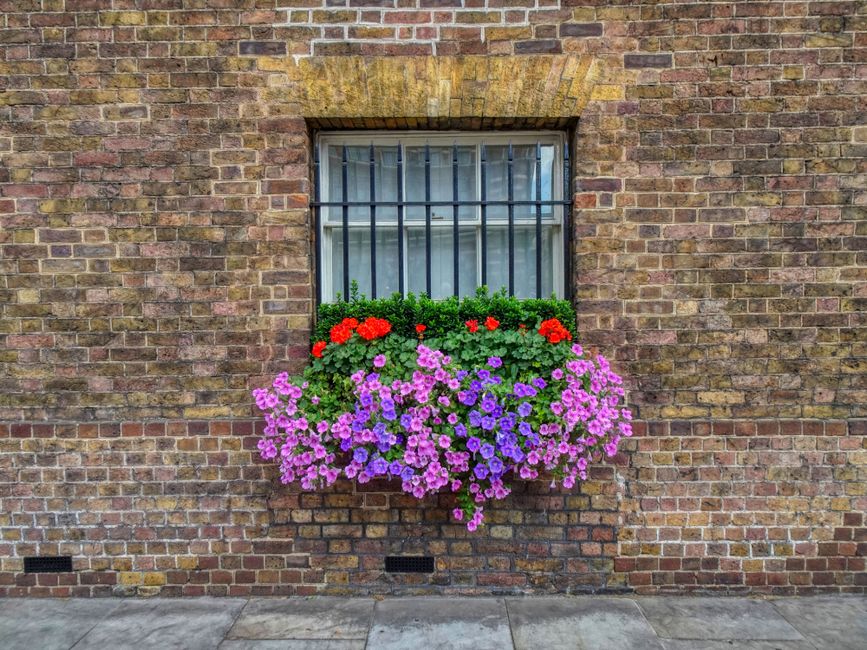
| Wall-mounted basket | Vertical visual interest, compact frontages | Saves floor space, elegant appearance | Needs secure fixing and regular maintenance |
| Seasonal public installation | Events, launches, festivals | High visual impact, strong brand effect | More likely to need approval and structured planning |
| Indoor-outdoor hybrid display | Shops, restaurants, lobbies near entrances | Good balance of visibility and control | Can still raise access or spill concerns near thresholds |
If you want a low-friction route, start small. A neat, stable display that stays within your boundary is usually easier to manage than a large, highly visible scheme that keeps drawing attention for the wrong reasons. Small can still be striking. Honestly, sometimes it is more striking.
Case Study or Real-World Example
Let's look at a realistic scenario. A small hospitality venue near a busy Westminster street wants to add floral planters outside the entrance for spring. The owner wants people to notice the place from across the road, but also does not want to irritate pedestrians or fall foul of local expectations.
Instead of placing large pots in the middle of the frontage, the team chooses a narrower, low-profile arrangement near the wall line. The flowers are hardy enough to cope with wind and occasional knocks. The watering plan is assigned to opening staff, with a spare can kept nearby. The display is photographed from the pedestrian line before installation, so everyone understands how much space remains. The result feels welcoming without feeling pushy.
Now imagine the same venue had chosen a wide, ornate planter with trailing stems spilling toward the walkway. It might have looked lovely on the design board. In real life, it would probably have needed more intervention, more repairs, and more apologies. That is the gap between concept and street reality.
The point is simple: the best outcomes come from respecting the shape of the space, not fighting it. Westminster streets already have enough going on. Your flowers should add calm, not clutter.
Practical Checklist
Use this checklist before installing a public flower display in Westminster:
- Confirm exactly where the display will sit.
- Check whether it is on private land, boundary land, or public space.
- Measure the remaining walking width.
- Make sure entrances, ramps, crossings, and sightlines stay clear.
- Choose stable containers and weather-appropriate planting.
- Plan watering, trimming, and deadheading responsibilities.
- Check whether fixing, projection, or placement needs approval.
- Review the display in daylight and during busier foot traffic times.
- Consider accessibility for wheelchair users, pushchairs, and delivery movement.
- Set a date for the first maintenance review.
- Keep records and photos for reference.
- Remove or adjust any element that becomes damaged or untidy.
If you can tick all of those boxes, you are already ahead of many people. Not perfect, maybe. But properly thought through.
Conclusion
How Westminster Council Rules Affect Public Flower Displays is really about one central idea: beautiful public flowers need to be designed for the street they live in. Westminster rewards displays that are tidy, stable, accessible, and well maintained. It does not reward guesswork. It definitely does not reward "we'll sort it later".
If you approach the display with care, the benefits are clear. You get better presentation, fewer headaches, and a result that feels like part of the place rather than an afterthought. That is the sweet spot. Not too flashy, not too fussy, just properly done.
So whether you are planning a shopfront refresh, a seasonal arrangement, or a larger public-facing floral project, take the time to think about placement, safety, maintenance, and permissions. The flowers will look better for it. And the street will too.
Get a free quote today and see how much you can save.
And if you do it right, people may not even notice the rules. They will just notice the flowers. That is the good sign.
Frequently Asked Questions
Do I need permission for public flower displays in Westminster?
It depends on where the display sits and whether it affects the public highway or attached structures. If it stays fully within private space, it may be simpler. If it reaches into shared or public space, approval or consultation may be needed.
Can I put flower planters outside my shop?
Often yes, but only if they do not obstruct pedestrians, block access, or create a safety issue. The width of the pavement and the exact placement matter a lot.
What kind of flower display is easiest to manage?
Usually a modest, stable display close to the building line is easiest. Window-facing arrangements and low planters tend to be less problematic than large freestanding installations.
Are hanging baskets allowed?
They can be, but they usually need secure fixing and careful maintenance. Because they are attached overhead or to a facade, they tend to need more thought than ground-level displays.
What are the biggest risks with public flower displays?
The main risks are obstruction, instability, poor maintenance, and accessibility problems. Weather can also turn a beautiful arrangement into a messy one surprisingly fast.
How do I keep a public display looking good for longer?
Choose hardy plants, use stable containers, and assign a clear maintenance routine. Regular deadheading and watering make a noticeable difference.
Do seasonal displays get treated differently?
They often do in practice, because short-term installations may be assessed with different expectations from long-term frontage features. Still, safety and access remain important whatever the duration.
Can public flower displays affect accessibility?
Yes. If they narrow a path, block a ramp, or create awkward detours, they can make access harder for many people. Good displays leave plenty of room and never force a squeeze.
What flowers work best for Westminster streets?
Hardier, weather-tolerant varieties usually work better than delicate blooms. The best choice depends on exposure, shade, maintenance, and the look you want to achieve.
Are public flower displays expensive to maintain?
They can be if the design is too complicated or the site is difficult. Simple, durable arrangements often give better value because they need less replacement and fewer rescue missions.
Should I document the installation?
Yes. Photos, measurements, and maintenance notes are useful if there is ever a question about placement or condition. It is a small habit that saves time later.
What is the safest first step if I am unsure?
Start by assessing the exact location and whether the display touches public space. If you are still unsure after that, speak to someone with local experience before installing anything permanent or substantial.